
The Injury Cases Nobody Thinks to Call a Lawyer About But Should
You get hurt on someone else's property, but it wasn't a slip and fall, so you assume it isn't a legal case. You blame bad luck or the person who hurt you, then move on.
Premises liability reaches well past wet floors and cracked sidewalks. A property owner's duty to keep visitors reasonably safe can apply to an attack in a parking lot, an accident at a swimming pool, or a hazard at a construction site. Whether it does depends on the facts, and it's hard to judge that on your own.
If you've read our guide to proving negligence in a slip and fall case, the same principles apply here: a duty, a breach, causation, and real damages.
Can a Business Be Liable for an Assault?
Yes, in some cases. The attacker is responsible for the attack, but a business or property owner can also be liable when poor security made the attack easier or more likely.
Think of a parking lot with broken lights, an apartment complex with a gate that never latches, or a bar that ignores repeated fights outside. These are often called negligent security cases.
Alabama sets a high bar for these claims. As a general rule, owners aren't required to protect visitors from a stranger's crime. That changes when the owner knew or should have known an attack was likely, often shown through prior similar incidents or specific warnings. These cases can hinge on the details.
That's why evidence matters: prior incident reports, police call logs for the property, complaints made to management, and records of broken lights, cameras, or gates. If someone attacks you on someone else's property, report it to the police and ask for a copy of their report. Ask the property for any written incident report, and, when it's safe, photograph conditions like lighting and entry points before they change.
Who Is Liable for a Swimming Pool Accident?
A pool owner or manager may be liable if they knew or should have known about a hazard and didn't fix it.
Pools at hotels, resorts, apartment and condo complexes, HOA communities, and vacation rentals are places where serious injuries can happen, including in Baldwin County and along the Gulf Coast. Hazards include broken or missing drain covers, slippery decks, broken gates or fencing, missing warning signs, and poor lighting.
If a child was hurt in a pool they weren't invited to use, Alabama law is stricter, so talk to an attorney before assuming either way.
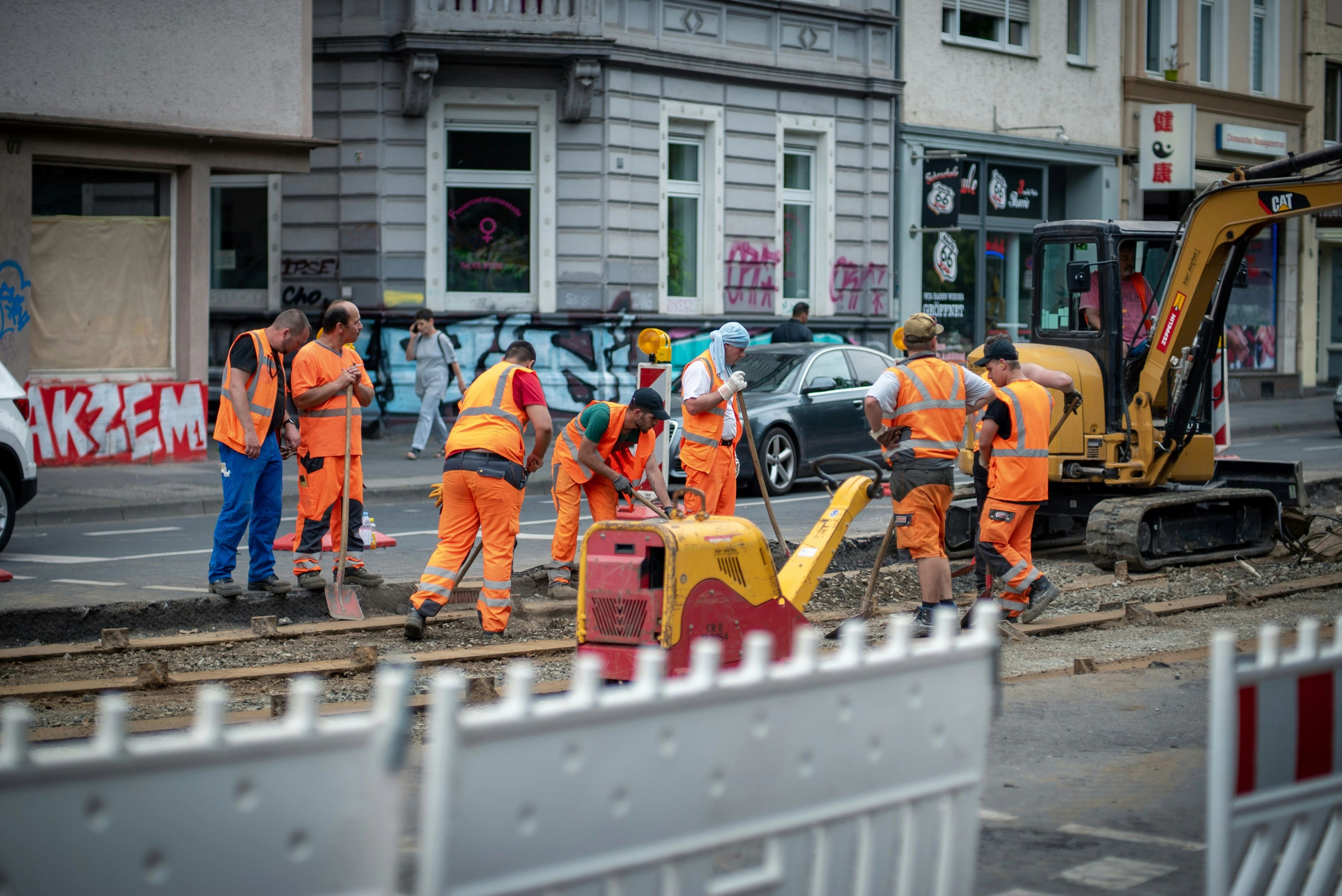
Who Is Liable for a Construction Zone Injury?
Depending on the facts, the property owner, the general contractor, or a subcontractor may be liable for an injury in a construction zone. Who controlled the area matters, and an attorney can investigate that.
Construction doesn't only put workers at risk. Customers, tenants, delivery drivers, and visitors can be hurt when a private property has an active construction zone. Common hazards include open trenches, missing barricades, debris on walkways, poor lighting, and unmarked changes to a route people use every day.
If you were hurt while working on the site, workers' compensation usually applies, but a third party may still be responsible. Learn about third-party workplace injury claims.
Do You Have a Premises Liability Case?
You may have one if:
- You were on the property with permission, as a customer, tenant, or guest
- A dangerous condition, or a lack of reasonable safety measures, contributed to your injury
- The owner was aware of the problem, or reasonably should have been
- You suffered documented injuries or losses
Two rules make timing and fault especially important. Alabama generally gives you two years to file a personal injury lawsuit, so waiting can cost you your case. And because Alabama follows a contributory negligence standard, being found even partially at fault may mean you recover nothing.
Talk to a Premises Liability Attorney in Mobile, AL
If a business's negligence left you hurt in Mobile, Baldwin County, or anywhere in Alabama or Mississippi, you don't have to work out whether it's a case on your own. Contact our team for a free consultation, and we'll walk through what happened and what your options are.